Column · @statepestcontroldirectoryfocus
How to Use a State Pest Control Directory to Find Licensed Experts
Every homeowner or property manager eventually faces a pest problem that goes beyond what a can of spray can handle. Termite treatment, bed bug extermination, or a stubborn rodent infestation requires a professional who knows the local pests, the right methods, and the legal side of pesticide application. That is where a state pest control directory becomes an essential tool.
I have spent years working in structural pest control, and the single most common mistake I see people make is hiring an exterminator without verifying their credentials. A state pest control directory, like the one maintained by Pestipedia, cuts through that guesswork. It collects licensed pest control companies in one place, organized by state, so you can quickly find a local pest control company that meets your area's requirements.
Why Verifying a Pesticide License Matters
Pesticides are regulated by both the Environmental Protection Agency at the federal level and by state pesticide regulatory agencies at the state level. A pesticide applicator must hold a valid pesticide license issued by their state, which requires passing exams on safe handling, application rates, and environmental protection. Without that license, there is no guarantee the person treating your home knows how to handle the chemicals properly.
I once had a client who hired an unlicensed operator for a termite treatment. The operator applied a restricted-use pesticide around the foundation without any protective gear, and the fumes drifted into the house. The family had to vacate for two days. The operator had no insurance, so the client was left with the cleanup costs. A quick check through a state pest control directory would have shown that company was not listed, a clear red flag.
What You Get from a Reliable Directory
A well-maintained directory goes beyond a simple list. It typically includes the business name, contact information, and the types of pest control service they offer. You can often filter by specialty, such as mosquito control, fumigation, or green pest control. This is especially useful when you need a specific treatment, like a structural fumigation for stored product pests, and you want to avoid companies that only handle general household pests.
Many directories also indicate whether a company follows Integrated Pest Management (IPM) principles. IPM focuses on long-term prevention and uses pesticides only as a last resort, combining biological, cultural, and mechanical controls. For homeowners who prefer green pest control options, this is a key detail. A local pest control company that emphasizes IPM is likely to start with a thorough pest inspection and a pest management plan before reaching for chemicals.
Understanding State-Level Regulations
Every state has its own rules for pest control operators. Some states require separate licenses for different categories, such as structural pest control, termite treatment, or fumigation. Others have continuing education requirements to keep a pest certification current. A state pest control directory reflects these local regulations, so you can be confident the listed companies are in good standing with the state pesticide regulatory agency.
For example, a pest control operator in Florida must complete 24 hours of continuing education every two years to renew their license. In California, the requirements are even more stringent, with separate exams for each category of pest control. A directory that is state-specific helps you navigate these differences without having to research each state's laws on your own.
When You Need a Specialist
Not all pest problems are the same. A bed bug extermination requires different techniques and chemicals than rodent control. Mosquito control often involves larvicides and adulticides applied to standing water, which demands knowledge of local ecosystems. Fumigation, especially in commercial structures, is a high-risk operation that only licensed fumigators should perform.
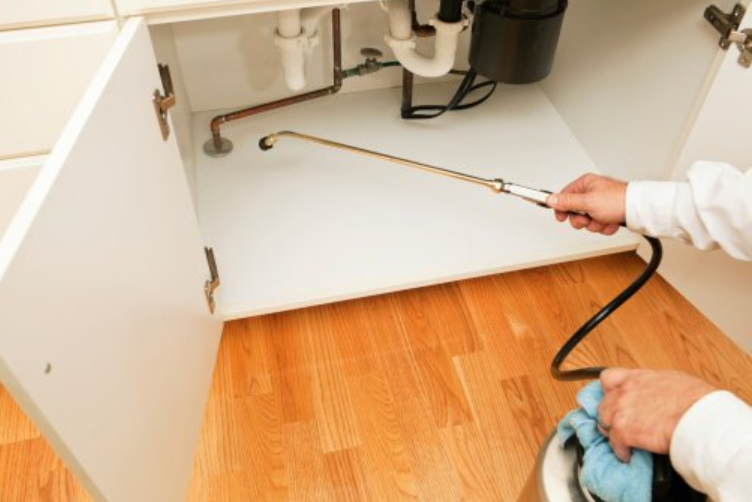
I recall a job where a restaurant owner needed fumigation for a severe cockroach infestation. The building was attached to other businesses, so the fumigation had to be coordinated with the local fire department and the EPA. The pest control operator we used had a specialized fumigation license and a detailed pest management plan. That level of expertise is not something you find by picking the first ad in a search engine. A directory that lists certifications and specialties makes it easy to match the right expert to the job.
Avoiding Common Pitfalls
Even with a directory, you still need to do your homework. Always ask for proof of insurance and a current pesticide license. Confirm that the company's license matches the type of work you need. Some directories include links to the state pesticide regulatory agency's verification page, so you can double-check the status yourself.
Another common issue is pricing. A company that offers a very low estimate for termite treatment may be cutting corners on inspection or using diluted chemicals. A professional pest control service will spend time on a thorough pest inspection before giving a quote. If a company refuses to inspect first, move on.
A Quick Checklist When Using a Directory
- Verify the company holds a valid pesticide license for your state.
- Check for membership in the National Pest Management Association, which sets industry standards for ethics and training.
- Ask about their approach to Integrated Pest Management and whether they offer green pest control options.
- Read reviews specifically about their customer service and follow-up after treatment.
- Confirm they have liability insurance and workers' compensation coverage.
The Role of National Organizations
The National Pest Management Association (NPMA) provides guidelines and training that many reputable companies follow. While membership is voluntary, it signals a commitment to professionalism. The Environmental Protection Agency also offers resources on pesticide safety and approved products. A directory that aligns with these standards helps you find companies that take their responsibilities seriously.
I have worked with pest control operators who are NPMA members, and they tend to stay current with new regulations and treatment methods. They are also more likely to offer a pest management plan that includes follow-up visits and preventive measures, not just a one-time spray.
Final Thoughts on Choosing a Professional
Finding a reliable exterminator should not be a gamble. A state pest control directory gives you a starting point that is grounded in licensing and regulation, the two pillars of safe and effective pest control. Whether you need emergency bed bug extermination or seasonal mosquito control, using a directory saves time and reduces risk. The next time a pest problem shows up, skip the general search and go straight to a resource that already did the vetting for you.